
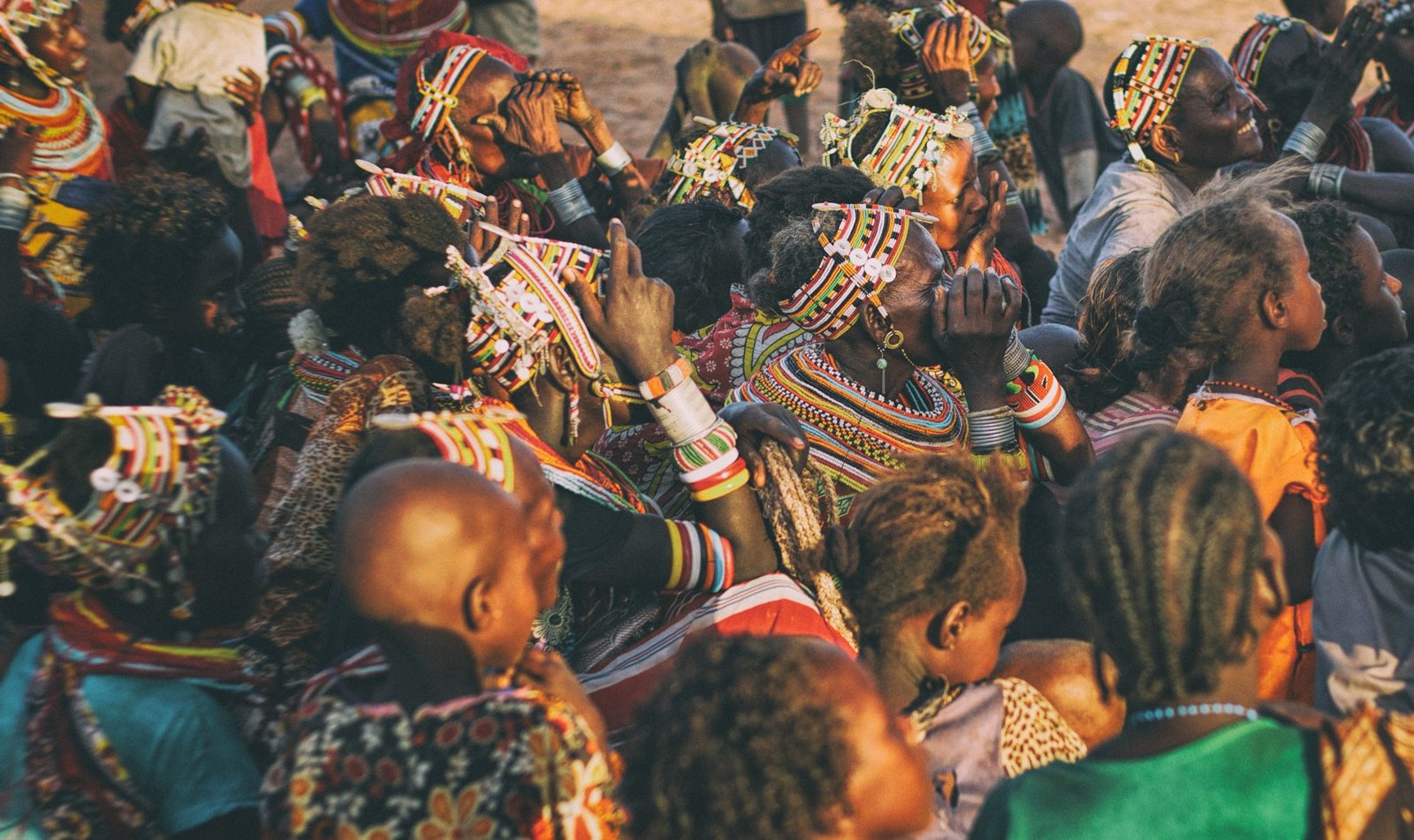
Religion is more than belief.
For millions of people around the world, it is culture, identity, celebration, and community.
From Christmas celebrations in Nigeria to the colorful Durbar festivals in Northern Nigeria, religious festivals continue to shape how people live, interact, travel, and celebrate.
Across different religions, festivals bring people together through food, music, prayer, fashion, and tradition.
In Christianity, Christmas and Easter remain some of the biggest religious celebrations globally. Churches become packed, families reunite, and businesses experience increased sales during festive periods.
For Muslims, Eid al-Fitr and Eid al-Adha are deeply significant celebrations marked by prayers, charity, sacrifice, and family gatherings. In Nigeria, Eid celebrations often transform entire communities into vibrant social events filled with generosity and cultural display.
In Hinduism, Diwali, known as the festival of lights symbolizes victory over darkness and evil. Streets, homes, and temples are decorated with lights, candles, and fireworks.
Religious festivals also have strong economic impacts, Hotels, transportation services, event planners, food vendors, and fashion businesses often experience massive boosts during festive seasons.
Religion and celebration are closely connected. Weddings, naming ceremonies, church conventions, Ramadan gatherings, and crossover services have become major parts of social life.
Religious festivals also have strong economic impacts
Even in modern society, religious festivals continue to preserve culture and strengthen human connection in ways technology alone cannot replace.
Religion has always been more than prayer and belief. Across history, religious festivals have shaped how people celebrate, interact, travel, dress, eat, and even do business. In many societies, festivals are not just spiritual events; they are cultural experiences that bring entire communities together.
Religious festivals serve different purposes depending on the faith and culture involved. Some commemorate important historical events, while others focus on thanksgiving, sacrifice, prayer, renewal, or spiritual reflection.
However, beyond spirituality, festivals also help preserve identity and culture.
For many families, these celebrations are opportunities to reconnect with relatives, return to hometowns, wear traditional clothing, prepare special meals, and strengthen community bonds.
Religious Festivals as Economic Opportunities
One major aspect often overlooked about religious festivals is their economic impact.
Festive seasons create massive business opportunities across different industries.
Hotels receive more bookings.
Transport companies experience increased travel demand.
Food vendors make more sales.
Fashion designers and tailors become busier.
Event planners organize concerts, dinners, and religious programs.
Religious celebrations often stimulate local economies more than many government activities do.
For example, during Christmas and Eid periods:
- markets become overcrowded
- Prices of food items rise
- Small businesses record higher sales
- and temporary jobs become available
Religious festivals, therefor,e influence not only spirituality but also economic survival for many people.